


 花研コーヒーブレイク
野菜革命でエクアドルに思いを馳せる
2026.10.01
こんにちは。みんなの花研ひろばです。
詳細割愛しますが、日々の食生活で野菜の摂取量が足りないことに気づかされました。
いや十分足りていると思っていたんですよ、ええ。でも健康診断でもらった栄養アドバイスで指摘されて、食事を振り返れば確かに足りていないと認識。
どうしたら十分な量を摂取できるかを考えたら、冷凍食品を活用する方法にたどり着きました。
なにしろこれまで人生のたった一度も(ほぼ)冷凍食品を購入したことがありません。アイスクリームはさておき、食卓やお弁当に使う冷凍食品を買ったことがないのです。
野菜はいつも生鮮品を購入していたのですが、冷凍食品を避けていたわけでも何でもなく、選択肢に上がってこなかっただけ。便利さや優位性を理解していなかったのです。
んで、9月某日、健康診断で「野菜不足」と言われたその日が「野菜革命」になったわけ。意識して野菜を摂取しようと決意。
早速いつものスーパーの、一度も行ったことがない冷凍食品売り場で、うろうろ色々吟味する。使い勝手がよさそうで、価格もリーズナブルなものをいくつかカゴに放り込む。何しろ冷凍食品を買ったことがないから、味もわからなければ使い方もまずはお試し。お気に入りを見つける前のリサーチ段階ですよ。使いやすいかどうか、冷凍食品を生鮮品と合わせて使うことで野菜革命を起こせるかどうかのいわばフィージビリスタディ。
もちろんこの時も生産地は確認します。すると小松菜とかほうれん草などは国産があるのねー。サイズもちょうどよくて使いやすそう。
一方、初めて手に取ったブロッコリーの冷凍食品の生産地はエクアドルってあるじゃないの。へー、そうなんだ。ブロッコリーはマッスルブームで健康フードとして注目されたことも追い風となって、国内でも指定野菜となったけど、冷凍食品で輸入もたくさんあるんですね。しかもエクアドルから。
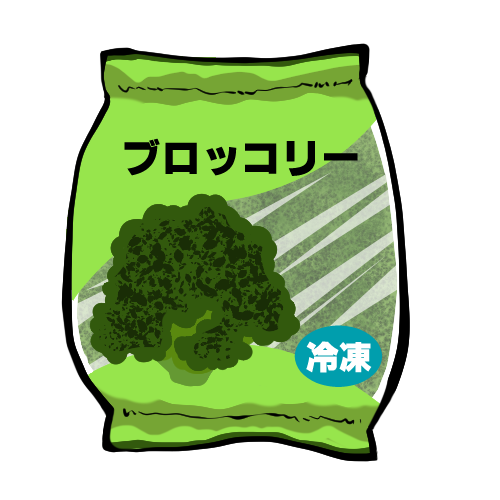
2025年の横浜税関資料によると、日本の冷凍ブロッコリー輸入量は 約95,000トンで、うち、中国が55.9%、エクアドルが第2位で約4万トン、42.0%。そのほかグアテマラも0.6%あり、その出荷国を見ただけで花の生産地かと思うほど。花きやコーヒー豆の生産と同様に、ブロッコリー生産においてもエクアドルの標高の高さと赤道直下のメリットを生かして、盛んに行われ輸出されているようです。
ちなみに、エクアドルから日本に届く花きで最も多いのは、スプレー/スタンダードカーネーションで、次いでバラ、ヒペリカムと続きます。そのほかカスミソウやベロニカ、エリンジウムなども輸入されています。
もしかしたら、エクアドルには花きとブロッコリー両方を生産、輸出する企業があるかなと思って見てみましたが、花とブロッコリーの二刀流企業はすぐには見つかりませんでした(存在するかもしれませんが、すぐにはヒットしませんでした)。
ちなみに、本日10月1日(木)には横浜国際総合競技場にてサッカー日本代表とエクアドル代表の国際親善試合が開催される予定です。
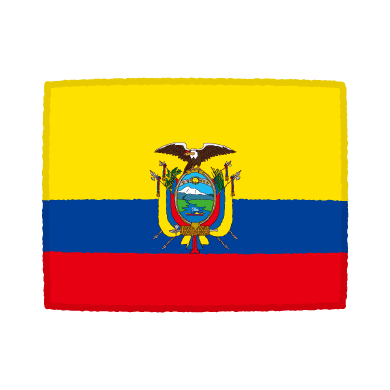
野菜革命を機に出会った冷凍食品は、花き生産地にもつながり、日本とエクアドルの友好的な関係を痛感させる9月某日となりました。もうすこしエクアドルという国について勉強しよっと!
それではみなさま、ごきげんよう。
どの国から何の花きが届くか、『フラワービジネスノート2027』のData16で一目瞭然。
多くの生産地がコーヒーベルトに集中していることもわかります。
さて、フラワービジネスノート2027に掲載された輸入品生産国最新データ(制作時)でエクアドルは第何位でしょうか。
気になった方は早速チェック。➾花研ショップ

Hello! Welcome to Hanaken Coffee Break!
I’ll spare you the details, but I recently discovered that I haven’t been eating enough vegetables in my daily diet.
I honestly thought I was getting plenty. Really, I did. But this was pointed out during a health check-up, and when I stopped to think about it, I realised they were right.
So I started wondering how I could get enough vegetables into my diet, and eventually arrived at one possible solution: frozen food.
Believe it or not, I had (almost) never bought frozen food in my entire life. Ice cream is another matter, of course, but I had never bought the sort of frozen food you might serve at the dinner table or put in a packed lunch.
I had always bought fresh vegetables. It wasn’t that I had anything against frozen food. It had simply never occurred to me as an option. I had never really appreciated just how convenient, or useful, it could be.
And so, one day in September, the very day I was told at my health check-up that I wasn’t eating enough vegetables became the day of my very own “Vegetable Revolution”.
I decided to make a conscious effort to eat more vegetables.
So off I went to the frozen food section of my usual supermarket, an aisle I had never once visited before, and wandered around inspecting everything on offer. I tossed a few things that looked easy to use and reasonably priced into my basket.
After all, having never bought frozen food before, I had no idea what it tasted like or how best to use it. This was still very much the research stage before finding my favourites.
You could call it a kind of feasibility study: just how easy would frozen vegetables be to use, and could they really bring about my Vegetable Revolution?
Naturally, I checked where everything had been produced.
And what did I discover?
The very first bag of frozen broccoli I picked up said: Product of Ecuador.
Oh, really? Ecuador!
Broccoli has attracted attention as a healthy food, helped along in part by the fitness and muscle-building boom, and in Japan it has now been added to the list of government-designated vegetables. What I hadn’t realised was just how much frozen broccoli Japan imports, including substantial quantities from Ecuador.
According to 2025 data from Yokohama Customs, Japan imported 95,278 tonnes of frozen broccoli. China accounted for 55.9% of the total, while Ecuador ranked second with around 40,000 tonnes, or 42.0%. Guatemala accounted for another 0.6%. Looking at that list of supplying countries, you could almost imagine you were looking at flower-producing countries.
China and Ecuador alone account for more than 97% of Japan’s frozen broccoli imports.
In that sense, perhaps frozen broccoli is the Dendrobium Phalaenopsis of the flower industry.
For comparison, imported products accounted for 96.2% of Dendrobium Phalaenopsis handled by the Ota Floriculture Auction in FY2025, while the import share for orchids such as Mokara was 98.1%.
Looking at Japan’s overall broccoli supply, I am told that domestically grown and imported products account for roughly half each.
Imports consist mainly of frozen products, with China and Ecuador serving as the major suppliers.
If the domestic-import ratio is around 50:50, perhaps broccoli is comparable to flowers such as anthuriums (46% domestic, 54% imported), amaryllis (48% imported), or disbud chrysanthemums (45.6% imported), based on FY2025 figures from the Ota Floriculture Auction.
Just as with flowers and coffee, Ecuador appears to make excellent use of its high-altitude growing areas and location directly on the equator to produce broccoli on a substantial scale for export.
Incidentally, among the cut flowers shipped from Ecuador to Japan, spray and standard carnations account for the largest volume, followed by roses and Hypericum.
Although the quantities are smaller, Japan also imports flowers such as Gypsophila, Veronica and Eryngium from Ecuador.
This made me wonder whether there might be companies in Ecuador producing and exporting both flowers and broccoli.
I did a little searching but couldn’t immediately find a company operating in both fields. Perhaps there is one out there somewhere, but none turned up straight away.
And it happens, today, Thursday, 1 October, an international friendly between Japan and Ecuador is scheduled to take place at International Stadium Yokohama.
So, thanks to my Vegetable Revolution, my first real encounter with frozen food unexpectedly led me straight back to the world of flower production.
It was one of those days in September that made me stop and think about the connections between Japan and Ecuador, and the friendly relationship between our two countries.
Perhaps it’s time I learnt a little more about Ecuador!
Until next time, take care, everyone.
Want to know which flowers come to Japan from which countries?
Take a look at Data 16 in Flower Business Note 2027 and you can see it all at a glance.
You’ll also notice that many flower-producing regions are concentrated within the Coffee Belt.
So here’s a question for you:
According to the latest data available at the time of publication in Flower Business Note 2027, where does Ecuador rank among the countries supplying imported flowers to Japan?
Curious?
Why not take a look for yourself?
